Worried about your dog roaming during dinner? How pet monitoring gave our family peace of mind
You know that moment—everyone’s finally gathered for dinner, the table’s set, and just as you sit down, your dog slips out the back door. Again. That knot in your stomach? I’ve felt it too. But what if you could know the second your pet wanders off—without dropping everything? That’s exactly how our family discovered pet safety monitoring, not as a gadget, but as a quiet guardian during life’s small, precious moments. It didn’t take over our lives. It simply made them better—calmer, more connected, and full of presence. And if you’ve ever had your heart skip a beat when the back gate creaks during family time, this might be the small change that makes the biggest difference.
The Dinner Table Dilemma: When Joy Meets Anxiety
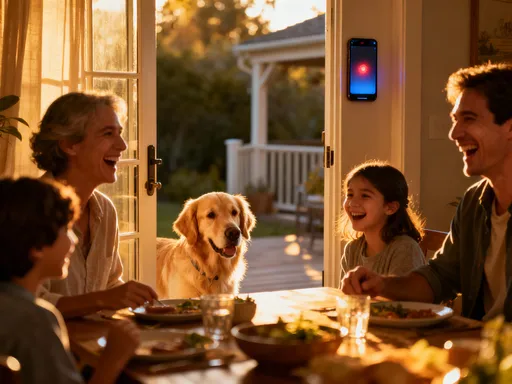
There’s something sacred about family dinner. It’s not just about the food—it’s about the laughter that lingers over dessert, the way your teenager finally opens up about their day, or how your youngest proudly shows off their drawing. These moments are the glue of family life. But if you share your home with a pet—especially one with a curious nose or a nervous habit—those golden minutes can unravel fast. One wrong move, one unlatched gate, and suddenly, the warm glow of candlelight is replaced by frantic calls of "Where’s Max?"
I remember one evening vividly. We’d spent all afternoon preparing a special meal—homemade garlic bread, a salad with garden tomatoes, and a lasagna passed down from my grandmother. The kids were dressed up, the table was beautifully set, and for once, everyone was on time. We sat down, said grace, and passed the bread. And then—a soft thud from the patio. I turned just in time to see our golden retriever, Max, slip through the slightly open slider. My stomach dropped. We dropped everything. My husband ran out the front, my daughter screamed his name down the street, and I was left standing in the kitchen, holding a serving spoon, heart pounding.
Thankfully, Max was found three houses down, tail wagging, completely unaware of the chaos he’d caused. But that night, the dinner was cold, the mood was gone, and the sense of peace we’d built was shattered. It wasn’t the first time. And I knew it wouldn’t be the last. What I didn’t realize then was that this wasn’t just about Max’s wanderlust—it was about our constant, low-level anxiety. That nagging voice in the back of your mind: Did I latch the gate? Is the dog still in the yard? What if he runs into the street? That voice doesn’t just steal dinner. It steals your ability to be fully present. And for families already juggling work, school, and endless to-do lists, that’s a heavy burden.
What I’ve come to understand is that pet safety isn’t just about collars or fences. It’s about peace of mind. It’s about knowing that when you’re focused on your child’s story or laughing at your partner’s joke, your pet isn’t slipping away unnoticed. It’s about reclaiming those small, sacred moments without fear. Because when you’re constantly on high alert, you can’t truly relax. And no family should have to choose between enjoying dinner and keeping their dog safe.
Discovering Pet Monitoring: From Skepticism to Relief
I’ll be honest—I didn’t believe in pet monitoring at first. When a friend mentioned she got alerts on her phone when her dog went near the backyard gate, I thought, That sounds like overkill. Who has time to watch a camera all day? I pictured complicated apps, blinking dashboards, and constant notifications. It felt like something for tech-obsessed pet influencers, not real families like mine. But then she showed me a 10-second clip on her phone: her dog, Luna, standing at the gate, nose nudging the latch. "This is how I caught it before she got out," she said. No drama. No running. Just a quick look at her phone, a call from the porch, and Luna trotted back.
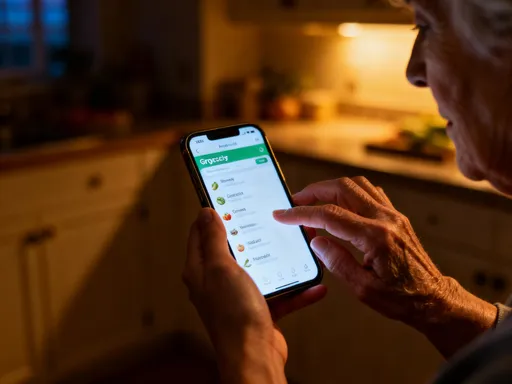
That moment stuck with me. It wasn’t about surveillance. It wasn’t about spying on my dog. It was about awareness. It was knowing, in real time, when something was about to happen—before it turned into a crisis. I started looking into simple systems: indoor-outdoor monitors with motion detection and live video. Nothing fancy. Just something that could tell me if Max was near the gate while we were inside. We started with a weatherproof camera mounted near the patio door. It connected to our Wi-Fi, sent alerts to my phone, and let me see a live feed with just one tap.
The first time it worked, I almost didn’t believe it. We were in the kitchen, prepping dinner, when my phone buzzed. I glanced down: Max, on the screen, sniffing around the garden gate. He hadn’t opened it yet. I stepped to the door, called his name, and he came right back. No panic. No dropped pans. No neighborhood search. Just a quiet correction. That’s when it hit me—this wasn’t about controlling Max. It was about reducing our stress. The relief wasn’t loud or dramatic. It was subtle, like turning down the volume on a constant hum of worry. And over time, that small reduction added up to something big: calm.
What surprised me most was how little I had to do. I didn’t need to check the camera every few minutes. I didn’t become obsessed with the app. The system only spoke up when it needed to. The rest of the time, it stayed silent. It wasn’t a distraction. It was a safety net. And for a busy mom who already feels like she’s juggling too much, that kind of support—quiet, reliable, and unobtrusive—is everything.
How It Works Without Taking Over
One of the biggest myths about pet monitoring is that it’s complicated. That you need to be a tech expert, spend hours setting it up, or learn a whole new system. But the truth? Most modern pet safety tools are designed for real life—not for engineers. Think of it like a smoke detector. You don’t interact with it every day. You don’t need to understand how it works. But when it matters, it’s there, doing its job without drama.
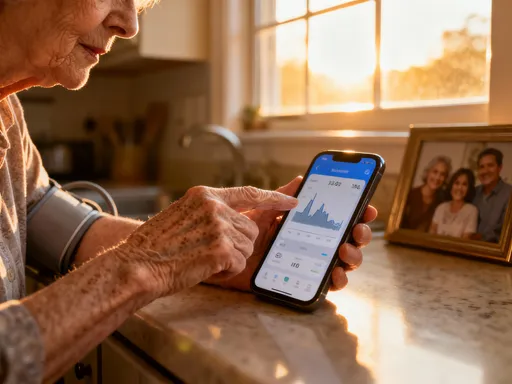
Our system uses a small outdoor camera with motion detection. It’s mounted under the eaves near the back door, so it’s protected from rain and sun. When Max moves into the camera’s zone—say, near the side gate—it sends a gentle alert to my phone. I can tap to see live video, zoom in, or even talk to him using two-way audio. "Max, come here, buddy!" I’ll say, and more often than not, he trots back. But the best part? I don’t have to pull out my phone every time. We set up a smart light routine: when the camera detects motion near the gate, our kitchen light dims twice. It’s a subtle cue—no screen needed. I glance up, see the flicker, and know to check. It’s like a quiet whisper instead of a shout.
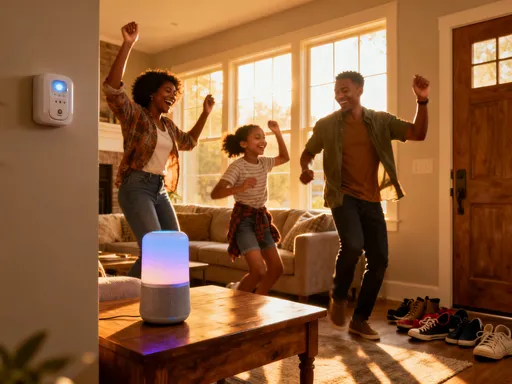
Some systems even work with tools you already use. If you have Alexa, you can get voice alerts: "Your pet is near the back door." Or you can link it to smart speakers and hear a chime when motion is detected. The goal isn’t to make you check your phone constantly. It’s to give you information in a way that fits your life. And for families with kids, that’s crucial. You don’t want to be glued to a screen during dinner. You want to be present. The technology does the watching so you don’t have to.
Another thing I love? It’s not about constant surveillance. I’m not watching Max every second. I don’t need to. The system only alerts me when he’s near a boundary—like the gate or the driveway. It’s not about controlling his every move. It’s about catching the moments that matter. And because the alerts are specific and rare, I don’t get notification fatigue. I still trust my instincts. I still know my dog. But now, I have a little extra help—one that works quietly in the background, only stepping in when it counts.
More Than Safety: Reclaiming Family Time
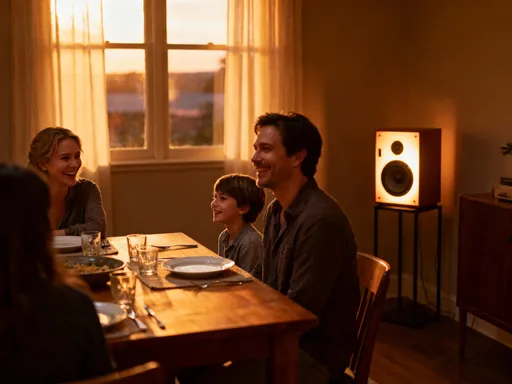
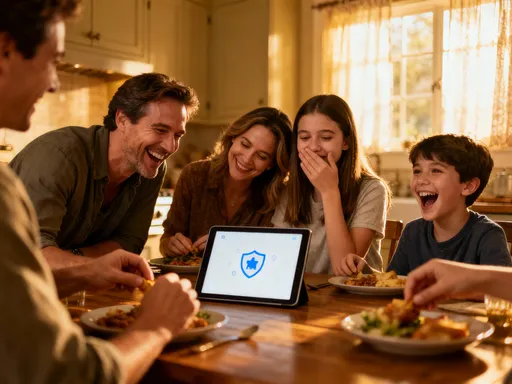
Since we started using the monitor, dinner has changed. Not because the food is better or the tablecloths are fancier—but because we’re actually at the table. We’re not jumping up every few minutes to check the yard. We’re not half-listening to the kids while straining to hear paws on the deck. We’re present. My daughter now finishes her stories without interruption. My son asks for seconds and stays to chat. And I—well, I finally eat my food while it’s still warm.
But it’s not just about meals. It’s about the quality of our time together. Before, there was always a part of me that was on alert. Even when we were watching a movie or playing board games, I’d glance at the door. Now, that mental load is lighter. I can relax. I can laugh. I can just be. And that’s had a ripple effect. The kids are calmer. My husband and I argue less about who forgot to latch the gate. Even Max seems more settled—he doesn’t pace the fence line as much, maybe because he senses that we’re more aware, more in tune.
What I didn’t expect was how much this small change would impact our family dynamic. It’s not just that Max is safer. It’s that we’re more connected. We’ve replaced the question "Did the dog get out?" with "What did you learn in school today?" That shift—from vigilance to presence—is priceless. And it’s not just about preventing a disaster. It’s about preserving the little joys: a shared joke, a quiet moment, a meal eaten together without interruption. In a world that pulls us in a hundred directions, being able to focus on each other is a gift. And this simple tool helped us give that gift back to ourselves.
Real-Life Moments That Made the Difference
The real value of pet monitoring isn’t in the big, dramatic rescues—though yes, it’s helped in emergencies. It’s in the quiet, everyday wins that protect your peace. Like last month, during a thunderstorm. The wind was howling, rain was pounding the roof, and Max hates storms. We were in the living room, trying to keep the kids calm, when my phone buzzed. I glanced at the alert: Max at the side gate, pacing. Without the monitor, we might not have noticed until he bolted. Instead, I stepped outside calmly with his favorite treat, called him gently, and guided him back inside. No panic. No soaked clothes. No frantic search in the rain. Just a quiet correction.
Another time, the camera caught something unexpected: our cat nudging Max’s water bowl near the back door. It had tipped, and water was slowly spreading across the patio. Without the live feed, we wouldn’t have known until we stepped outside—possibly too late to prevent damage. I grabbed a towel, cleaned it up, and moved the bowl. Small moment. Big impact. And just last week, the alert went off at dusk—Max near the driveway. I called him in, only to realize a delivery driver had left the gate slightly open. Without the monitor, he might have wandered off before we even knew. These aren’t headline-making events. They’re not viral rescue videos. But they’re the moments that chip away at your peace when they happen. And preventing them? That’s where the real value lies.
What I’ve learned is that peace of mind isn’t built in one big moment. It’s built in tiny, unnoticed victories. The dog who doesn’t run into the street. The floor that doesn’t get ruined by spilled water. The family that doesn’t spend an hour searching the neighborhood. These are the quiet wins that add up to a calmer, safer, more joyful home. And they’re not guaranteed. But with a little help from technology, they’re a lot more likely.
Choosing What Fits Your Life (No Tech Expertise Needed)
If you’re thinking about trying pet monitoring, I’ll tell you what I wish someone had told me: you don’t need the most expensive or feature-packed system. In fact, simpler is often better. Start with your biggest concern. Is it the back gate? The front yard? The driveway? Choose a solution that targets that area. A single weatherproof camera near the exit can make a huge difference. Look for one with clear motion alerts, good night vision, and two-way audio—so you can call your pet back without running outside.
Make sure it’s easy to set up. Most systems come with step-by-step guides and work with the Wi-Fi you already have. No extra wiring. No professional installation. We mounted ours in under 15 minutes using the included bracket and screws. And privacy matters—choose a brand that encrypts your video and lets you control who sees it. You’re not just protecting your pet. You’re protecting your family’s privacy too.
Think about how you want to receive alerts. Do you want a phone notification? A light signal? A voice alert through Alexa? Pick the method that fits your lifestyle. If you’re often in the kitchen, a smart light cue might be perfect. If you’re usually on your phone, a push notification works great. And don’t feel pressured to buy everything at once. Start small. Try one camera. See how it feels. You can always expand later.
Finally, place your devices where they blend in. We put ours under the eaves, near a planter, so it doesn’t look like a security system—it looks like part of the home. That matters. You don’t want to feel like you’re living in a lab. You want to feel safe, not watched. And when the technology fades into the background, that’s when it’s working best.
A Calmer Home, One Meal at a Time
At the end of the day, this isn’t about high-tech obsession. It’s about harmony. It’s about creating a home where everyone—people and pets—can feel safe, seen, and relaxed. Since we started using pet monitoring, our dinners have become more than meals. They’ve become moments of connection. We’re not just eating together. We’re being together. And that’s made all the difference.
The monitor didn’t replace care. It didn’t make us less attentive. If anything, it helped us care better—by freeing us from constant worry. It gave us back our focus, our calm, and our joy. And in a world full of noise, distractions, and endless demands, that quiet assurance is priceless. It’s not a gadget. It’s peace, quietly delivered. It’s the ability to sit down, breathe, and say, "This is enough."
If you’ve ever felt that knot in your stomach when the back door opens, I want you to know: you’re not alone. And you don’t have to live with that anxiety. A small change—a simple camera, a smart alert—can make a big difference. Not because it’s flashy or high-tech, but because it helps you protect what matters most: your family, your time, and your peace. And sometimes, the most powerful technology isn’t the one that does the most. It’s the one that lets you do less—so you can live more.