Tired of Losing Track of What You Read? This App Quietly Changed Everything
Have you ever finished a book and realized you couldn’t recall half of it? Or started a new one only to forget the brilliant idea from last week’s article? You’re not alone. In a world overflowing with information, keeping meaningful insights organized feels impossible. But what if the app on your phone could do more than just track pages? I discovered a quietly powerful feature in my reading app that transformed how I absorb books—and it wasn’t in the manual. It didn’t require a subscription, a new device, or even a learning curve. Just a single tap I’d overlooked for years. And now, it’s changed the way I think, remember, and grow.
The Overwhelm of Modern Reading
Let’s be honest—most of us are drowning in content. Every morning, my phone buzzes with newsletters, my email fills with article links, and my bookshelf—digital and real—is stacked with titles I swear I’ll finish ‘soon.’ I love learning. I love the feeling of diving into a new idea, of having my perspective shifted by a single sentence. But somewhere along the way, I noticed something troubling: I wasn’t retaining any of it. I’d finish a powerful chapter on mindfulness, only to snap at my kids an hour later. I’d read a brilliant article about time management, then spend the next day scrolling mindlessly. The information was coming in, but it wasn’t sticking. And worse, I felt guilty about it. Like I was failing at something I genuinely cared about.
It wasn’t just me. I started asking friends—women in their 30s, 40s, and 50s, many juggling work, family, and personal goals—and so many said the same thing. ‘I read all the time, but I can’t tell you what I read last month.’ That sense of frustration, of effort without results, is real. We’re not lazy. We’re not forgetful by nature. We’re just using tools that weren’t built to help us truly connect with what we read. We’ve been sold the idea that reading more is the goal—more books, more articles, more podcasts. But if none of it stays with us, what’s the point? What if the real goal isn’t volume, but depth? What if it’s not about how many books we finish, but how many ideas actually change the way we live?
I remember one evening, I was preparing for a work presentation and realized I’d read the perfect book for it just a few months earlier. I scrambled to find it, flipped through pages, searched my email, even asked a friend if I’d mentioned it. Nothing. The insight I needed was gone. That moment hit me hard. I hadn’t just lost a quote—I’d lost a piece of my own growth. That’s when I started wondering: what if the problem isn’t me? What if it’s the way I’ve been reading all along?
How Reading Apps Became Just Checklists
For years, I thought my reading app was helping me. It showed me how many books I’d finished, how many days in a row I’d read, even gave me little badges for milestones. At first, it felt motivating. ‘Look at me—I read 12 books this year!’ But over time, I realized something strange: the more books I ‘finished,’ the less I remembered. My app celebrated completion, but it didn’t care whether I understood, reflected, or applied anything. It was like being praised for finishing a meal without actually tasting it.
These apps are designed to gamify reading, and I get why. We like rewards. We like progress bars. But reading isn’t a race. It’s not even a task. It’s a conversation—one we have with authors, with ideas, and with ourselves. And when our tools reduce that conversation to a checklist, we lose the heart of it. I started to notice how I’d rush through chapters just to mark them ‘done.’ I’d skim, skip, and scroll, all while telling myself I was being productive. But in reality, I was just consuming. And consumption doesn’t lead to change. Reflection does.
What I needed wasn’t a scoreboard. I needed a companion—a tool that helped me slow down, remember, and return to what mattered. Something that didn’t ask me to do more, but made it easier to keep what I already valued. I didn’t want another chore. I wanted clarity. I wanted to feel like the time I spent reading was truly mine, that it was shaping me, not just filling my schedule. I just didn’t know such a tool existed—until one rainy afternoon when I stopped trying to ‘read more’ and started wondering how to read better.
The Moment I Discovered the Hidden Feature
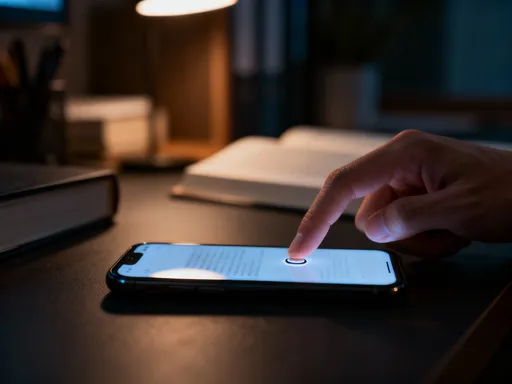
It was a quiet Sunday. Rain tapped against the windows, the kids were napping, and I was curled up with my tablet, rereading a favorite book on parenting. I’d highlighted a passage before, but I couldn’t remember where I’d saved my notes. Frustrated, I poked around the app’s menu, looking for a ‘notes’ or ‘highlights’ section. That’s when I saw it—a small, grayed-out icon at the bottom: ‘Synced Journal.’ I’d never tapped it. Honestly, I’d never even noticed it.
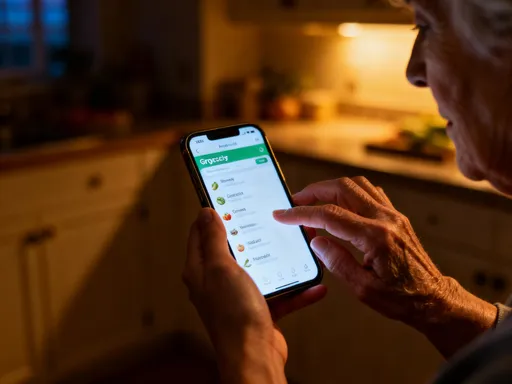
Curious, I pressed it. And what opened up took my breath away. There it was—every highlight I’d ever made, across every book, article, and audiobook, all in one clean, chronological list. Not scattered. Not lost. Not buried in email or forgotten documents. Just… there. Quotes from self-help books sat beside insights from novels, separated by dates, not sources. It was like walking into a quiet library of my own mind. I clicked on one highlight from a book I’d read two years ago—and there it was, the full passage, the page number, even the date I’d highlighted it. I hadn’t done anything special. No tagging. No manual saving. The app had been quietly collecting these moments all along, waiting for me to notice.
I sat there for nearly an hour, scrolling through my own intellectual journey. I saw patterns—recurring themes about patience, presence, and self-compassion. I realized how often I returned to the same ideas, like a compass guiding me back. And in that moment, I didn’t feel overwhelmed. I felt seen. Like someone—this quiet, unassuming feature—had been paying attention when I hadn’t. It wasn’t flashy. It didn’t send me notifications or demand my time. But it had been doing the work of memory for me, gently and consistently, without asking for anything in return. That rainy afternoon didn’t just change how I read. It changed how I thought about learning itself.
How This Feature Works—Without Any Extra Effort
Here’s the best part: I didn’t have to learn anything new. I didn’t download another app. I didn’t start taking notes by hand or set up a complicated system. All I did was tap that one button—and suddenly, my reading became active, not passive. Every time I highlight a sentence in a book, it automatically appears in my synced journal. If I pause an audiobook to save a quote, it shows up there too. Even articles I read in the app’s built-in browser get included. It’s seamless. It’s silent. And it’s always working, even when I’m not thinking about it.
The journal itself is beautifully simple. It’s organized by date, so I can see what resonated with me and when. I can search by keyword—like ‘patience’ or ‘confidence’—and instantly find every time I’ve highlighted something related. I’ve used this to prepare for difficult conversations, to remind myself of values during stressful weeks, and even to revisit old dreams I’d forgotten. Once, before a big meeting, I typed in ‘leadership’ and found three quotes from different books that gave me the clarity I needed. It felt like my past self was handing me a toolkit.
What makes this so powerful is that it removes friction. Most tools for remembering what we read ask us to do extra work—write summaries, create flashcards, tag entries by theme. And that’s exactly why we don’t use them. We’re already busy. We don’t need another to-do. But this? It’s effortless. It’s like having a personal assistant who quietly takes notes during every conversation you have with a book. You don’t have to remember to save. You don’t have to organize. You just live, read, and highlight. The rest happens on its own. And because it’s so easy, I’ve actually stuck with it—for over a year now. No drop-off. No guilt. Just steady, quiet growth.
Real-Life Impact: From Notes to Insights
The changes haven’t been dramatic, but they’ve been deep. I’ve started noticing how often I return to my journal—not to study, but to reconnect. Before bedtime, I sometimes scroll through highlights from the past month. It’s become a kind of reflection practice, like journaling without the pressure to write. I’ve relearned ideas I thought I’d lost. I’ve seen how my interests have evolved—from books on productivity to ones on presence, from quick fixes to lasting wisdom.
My husband even commented recently, ‘You’ve been sharing such thoughtful things at dinner. Where are you getting all this?’ I smiled and said, ‘From books I read years ago—thanks to an app that remembers for me.’ But it’s not just about sounding smart. It’s about living more intentionally. Last month, I was struggling with a decision about changing jobs. I felt torn. So I opened my journal and searched ‘purpose.’ Within seconds, I found a quote from a book I’d read during a hard time in my 30s: ‘Clarity comes not from answers, but from staying close to your questions.’ That one sentence shifted everything. It didn’t tell me what to do—but it reminded me how to think. And that made all the difference.
I’ve also started sharing highlights with my sister, who’s going through a tough time. I don’t send long lectures. I just forward a quote or two that felt right. Last week, I sent her one about resilience: ‘You don’t have to be strong every day. You just have to keep showing up.’ She texted back, ‘This is exactly what I needed.’ In that moment, I realized my reading wasn’t just for me. It had become a quiet way to care for others, too. The app didn’t make me wiser—but it helped me keep what wisdom I’d found, and pass it on when it mattered.
Why Ease of Use Makes All the Difference
We’re sold so many tools for self-improvement—planners, courses, apps for meditation, habit tracking, goal setting. And so many of them fail, not because they’re bad, but because they ask too much. They assume we have time, energy, and willpower to spare. But the truth is, most of us are running on empty. We don’t need more effort. We need less. We need tools that work with our lives, not against them.
That’s why this feature has stuck. It doesn’t require discipline. It doesn’t need motivation. It works in the background, like a well-designed kitchen that makes cooking easier, or a closet organizer that helps you find what you need without thinking. The psychology is simple: the easier a habit is, the more likely we are to keep it. And the more we keep it, the more it shapes us. I didn’t set out to build a personal knowledge base. I just wanted to remember what I read. But by removing the friction, the app made it possible for small actions—highlighting a sentence—to turn into lasting value.
And because it’s so low-effort, I don’t feel guilty when I skip a day. There’s no streak to maintain, no progress bar to fill. It’s not about performance. It’s about presence. I can read slowly, skip pages, or abandon a book—and the journal still holds what mattered. That freedom has made me a more relaxed, more curious reader. I’m not racing to finish. I’m savoring. And in that savoring, I’m actually learning more than ever.
Finding Joy in the Long-Term Journey of Learning
Reading used to feel like a chore I should do. Now, it feels like a gift I get to give myself. I don’t measure success by how many books I finish. I measure it by how often I return to an idea, how deeply it settles into my life, how it shows up in my choices. The app no longer tracks my speed. It supports my depth. And that shift—from quantity to quality, from output to insight—has changed everything.
What I love most is how this tool honors the long game. Learning isn’t about quick wins. It’s about showing up, again and again, letting ideas simmer, reappear, and evolve. My journal isn’t perfect. It’s messy. Some entries are profound. Others are silly. But it’s mine. It’s a record of who I’ve been, who I’m becoming, and what matters to me. And on hard days, when I feel like I’m not growing, I open it and see the evidence—quiet, steady, and real.
Technology gets a bad rap sometimes. We hear about screen addiction, distraction, and the loss of focus. But when it’s designed with care, with an understanding of real human needs, it can do something beautiful: it can help us remember who we are. It can hold our thoughts when we’re too tired to hold them ourselves. It can turn fleeting moments of insight into lasting wisdom. This one feature didn’t change my life overnight. But over time, it’s helped me live more thoughtfully, more intentionally, and with more peace. And that’s a change worth making.