What If Your Shopping List Could Bring You Closer to the People You Care About?
Have you ever shared a grocery list with a friend and ended up chatting for an hour? Online shopping isn’t just about convenience—it’s becoming a quiet bridge between us. With just a few taps, we’re not only buying what we need but also connecting, planning, and even laughing together. This small shift is quietly reshaping how we relate, collaborate, and grow. It’s not just about getting dinner on the table or remembering toilet paper—it’s about how the little things we do every day can become moments of care, communication, and closeness. And the best part? You’re probably already doing it without even realizing how meaningful it is.
The Moment We Stopped Shopping Alone
Remember those days when grocery shopping meant grabbing a basket and heading out the door, hoping you remembered everything on your mental list? Or placing an order online in silence, tapping through screens without a second thought? It was efficient, yes—but it was also lonely. Now, something subtle but powerful has changed. We’re no longer just shopping for ourselves. We’re sharing carts, sending quick messages like “Can you add oat milk?” and tagging family members when we spot a great deal on laundry detergent. That simple act—adding something to a shared list—can spark a text thread, a voice note, or even a quick phone call. “You remembered my favorite tea,” someone might say, and suddenly, it’s not about the tea at all. It’s about feeling seen.
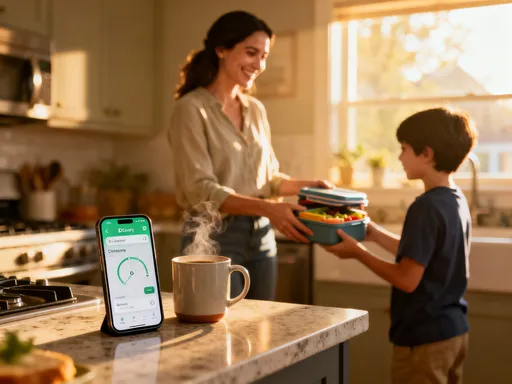
For busy parents, this shift is a game-changer. When one partner adds baby wipes while the other tosses in apples and granola bars, it’s not just about splitting the load. It’s a silent conversation: “I’ve got this,” “I’m thinking of you,” “We’re in this together.” Long-distance friends use shared lists to stay connected—adding silly snacks from childhood or ingredients for a recipe they once made together. Roommates coordinate chores and budgets without awkward conversations. These digital spaces, built for efficiency, have quietly become emotional ones. The grocery list, once a mundane task, has transformed into a space where small gestures speak volumes. And the best part? No one has to say, “Let’s talk.” The list does it for you.
From Checkout to Check-In: How Shared Carts Build Trust
When you share a shopping cart with someone, you’re not just splitting the bill—you’re making choices together. That means you’re also learning to listen, to compromise, and to pay attention. Think about it: deciding which brand of coffee to buy, whether to go for the organic bananas or the regular ones, or if it’s worth splurging on the fancy face cream. These might seem like tiny decisions, but over time, they add up to something bigger. They build rhythm. They create a pattern of everyday collaboration that strengthens trust.
For couples, shared lists can be a low-pressure way to practice balance. One person might prioritize budget-friendly options while the other leans toward quality or sustainability. The cart becomes a neutral ground where both voices matter. There’s no yelling over a receipt or surprise charges on a credit card. Instead, there’s visibility. There’s conversation. “I noticed you added the almond butter again—should we switch to a bigger jar to save money?” That kind of exchange isn’t about control. It’s about care. It’s two people navigating life together, one item at a time.
And for friends? It’s about consistency. When you know your best friend always picks up your favorite dark chocolate during her weekly order, it becomes a ritual. It’s not just chocolate—it’s a quiet “I’m thinking of you.” These shared experiences, built around something as simple as a grocery list, create a sense of reliability. You start to count on each other in small ways, and those small ways become the foundation of something deeper. The platform doesn’t create the trust—but it gives it a place to grow.
Planning Together, Growing Together: Families and Future Goals
Families are using online shopping tools in ways that go far beyond convenience. They’re turning weekly orders into moments of connection, planning, and even teaching. When a parent creates a shared list for the week’s meals, they’re not just organizing dinner—they’re setting the stage for involvement. Kids as young as six can help by adding their favorite fruits or snacks. They learn to plan ahead, to think about what the family needs, and to take responsibility for their part. “I put apples on the list!” a child might say proudly, and that small act builds confidence.
For older kids, it’s a step toward independence. A teenager preparing for a school project might add poster board and markers to the family cart. A college student back home for the weekend might toss in instant noodles and energy drinks. Each addition becomes a conversation starter: “Are you staying up late studying?” or “Need me to pack you some real food for campus?” These moments might seem small, but they’re how families stay connected in the middle of busy lives.
And when grandparents join the shared group, something beautiful happens. They might add ingredients for a family recipe—something they used to make when the kids were little. Or they might notice a shortage of tissues and quietly replenish them. Their presence in the digital space keeps them involved, even if they don’t live nearby. Technology doesn’t replace family time—it extends it. It turns everyday tasks into shared experiences. Over time, collaborative shopping becomes a quiet practice in patience, inclusion, and long-term thinking. It teaches us that taking care of each other isn’t about grand gestures. It’s about showing up, again and again, in the small ways that matter.
Roommates, Friends, and the Art of Everyday Teamwork
Living with others—whether roommates, siblings, or close friends—means constant negotiation. Who’s buying the toilet paper? Did someone remember the dog food? Is the almond milk already gone again? These questions can lead to tension, especially when expectations aren’t clear. But online shopping platforms are changing that. By making the list visible to everyone, they create transparency. No more guessing. No more passive-aggressive sticky notes on the fridge. Everyone sees what’s needed, updates the list in real time, and shares the responsibility.
This might sound like a small thing, but it has a big impact. When everyone can contribute, it builds accountability. It also reduces friction. Instead of one person feeling like the “designated shopper,” the load is shared. And when the order arrives, there’s often a sense of accomplishment. “We saved $15 this week by buying in bulk!” someone might say, and suddenly, it’s not just about saving money. It’s about teamwork. It’s about celebrating small wins together.
Over time, this kind of collaboration improves communication. Roommates learn to give feedback—“Can we switch to a different brand of dish soap? This one makes my hands dry”—without it turning into an argument. They learn to notice each other’s needs. One person might add allergy-friendly snacks after remembering a roommate’s dietary restrictions. Another might toss in a birthday card for a mutual friend. These gestures, made visible through the shared list, build empathy. They turn co-living from a series of chores into a shared life. And that’s something no app can guarantee—but one that thrives when we use technology with intention.
Turning Strangers into Neighbors: Community Group Buys
One of the most surprising shifts in online shopping isn’t happening between family or friends—it’s happening in neighborhoods and online groups where people are teaming up to buy in bulk. Think organic produce, eco-friendly cleaning supplies, or seasonal items like holiday decorations. These group purchases are often organized by one person who creates a master list, sets a deadline, and coordinates delivery. At first, it’s about savings. Buying 20 boxes of pasta together is cheaper than buying one. But over time, something deeper emerges: connection.
Names become familiar. People start recognizing each other at drop-off points. A quick “Thanks for organizing this!” turns into a conversation. A new mom might meet another parent while picking up baby food. A retiree might bond with a young professional over their love of local honey. These interactions, sparked by a shared order, build a sense of belonging. They turn a transaction into a community moment.
And the organizer? Often, they’re not getting paid. They’re doing it because they want to help, to bring people together, to make life a little easier for everyone. In the process, they develop leadership skills, learn to manage logistics, and build trust. Others step in to help—offering to distribute orders or suggesting new products to include. Roles form naturally. Responsibility is shared. Technology enables the scale—group chats, shared spreadsheets, digital payments—but it’s the human connection that gives it meaning. These aren’t just group buys. They’re tiny acts of community building, powered by the simplest of needs: food, supplies, and the desire to belong.
The Hidden Skill You’re Building While Shopping Online
Behind every shared order is a set of soft skills we don’t always notice we’re developing. Listening—really listening—to what others need. Planning ahead, not just for yourself, but for a group. Giving feedback in a way that’s helpful, not hurtful. Resolving small conflicts—“We don’t need two kinds of ketchup”—with patience. These aren’t skills you learn in a classroom. They’re not on a resume. But they’re vital for life. And the beautiful thing is, we’re practicing them every time we collaborate on something as simple as a grocery list.
When you adjust your order because someone else already added pasta, you’re practicing flexibility. When you message a friend to confirm a purchase, you’re practicing clear communication. When you notice a roommate’s favorite cereal is running low and add it without being asked, you’re practicing empathy. These moments, repeated over time, build emotional intelligence. They make us more attuned to others, more confident in group settings, and better at navigating relationships—whether at home, at work, or in our communities.
And because shopping feels low-stakes, it’s the perfect space to practice. There’s no pressure to be perfect. If you forget something, it’s not a disaster. If someone disagrees on a brand, it’s not the end of the world. It’s a safe environment to learn, to grow, and to get better at being human. The more we do it, the more natural it becomes. And that’s how small habits create big changes—not overnight, but one shared cart at a time.
Reimagining Connection in a Digital World
We often hear that technology is pulling us apart. That we’re staring at screens instead of talking to each other. And yes, there are moments when that’s true. But what if we’ve been looking at it the wrong way? What if, instead of replacing human connection, technology can actually deepen it—when we use it with purpose? Collaborative shopping shows us that even the most practical tools can carry emotional weight. A shared cart isn’t just a list of items. It’s a record of care. A reminder that someone noticed you were running low on coffee. A promise that you’re not alone in the daily grind.
Connection doesn’t always need grand gestures. It doesn’t require a fancy dinner or a weekend getaway. Sometimes, it starts with a message: “I added your favorite soup to the order.” Or a note: “Saw this and thought of you.” These small moments, woven into the fabric of everyday life, are where real closeness grows. They remind us that love isn’t always loud. Often, it’s quiet. It’s consistent. It’s showing up in the details.
And the best part? You don’t need to learn a new app or master a complex system. You’re probably already using these tools. You just haven’t realized how powerful they can be. So the next time you open your shopping list, take a moment to notice who’s on it. Who are you sharing with? Who’s adding things for you? Who are you thinking of as you click “add to cart”? Because in those small actions, you’re not just shopping. You’re building something beautiful—connection, one item at a time.