After 3 Years of Family Screen Chaos, This Digital Routine Brought Us Closer
Remember when family time meant talking, laughing, maybe even board games? Now it’s everyone on their own screen, in the same room but miles apart. I lived that disconnect—until I realized the problem wasn’t technology, but how we used it. What if the same devices pulling us away could actually help us reconnect? It took trial, error, and a few awkward dinners, but we found a way. This is how we turned chaos into connection. Not with a tech detox or strict rules, but by reshaping how we interacted with the digital world—on our terms, with heart, and with intention.
The Moment I Realized We Were Together but Apart
It was a Tuesday night. Nothing special. Dinner was done, dishes were in the sink, and we were all on the couch. On paper, we were together. But in reality? I was halfway through a work email, my phone glowing in the dim light. My husband had his tablet balanced on his knee, scrolling through news headlines with a furrowed brow. And our 10-year-old daughter? She was curled up in the corner, eyes wide and fixed on a video, laughing at something only she could hear.
I looked up. And for the first time, it hit me: we were in the same room, but we weren’t really together. The silence wasn’t peaceful—it was hollow. No conversation. No eye contact. Just the soft hum of screens and the occasional tap of a finger. That moment wasn’t rare. It had become our default. And I felt a pang of guilt, not because I was on my phone, but because I didn’t even notice how disconnected we’d become.
I used to think screen time was the enemy. I blamed the devices, the apps, the endless scroll. But that night, I saw the truth: the problem wasn’t the technology itself. It was how we were using it—or rather, how it was using us. We weren’t being present. We weren’t choosing connection. And the worst part? We didn’t even realize it was slipping away.
That moment changed everything. Not because I suddenly threw out all our devices or declared a digital-free zone. No, it changed because I started asking different questions. What if, instead of fighting technology, we could make it work for our family? What if the tools that seemed to pull us apart could actually help us come closer? That simple shift—from resistance to reimagining—was the beginning of something beautiful.
Why Most Family Tech Rules Fail (And What to Do Instead)
At first, like so many parents, I went straight for the rules. No phones at dinner. No screens before bedtime. No devices in bedrooms. I even made a colorful chart and stuck it on the fridge. For about three days, it worked. Then, life happened. A late work call. A child who just wanted to watch one more video. A partner who needed to check a flight update. And before I knew it, we were sneaking glances at our phones under the table or pretending to read while actually scrolling through social media.
I realized something important: strict rules without understanding don’t create real change. They create resistance. They make technology feel like a forbidden fruit, which only makes it more tempting. And when rules are broken—because they will be broken—it leads to guilt, shame, or arguments. That’s not connection. That’s control. And control doesn’t build trust.
So I stopped asking, How much time are we spending on screens? and started asking, What are we doing with that time? and How does it make us feel? That small shift changed everything. Instead of focusing on restriction, we focused on purpose. We asked: Is this helping us connect? Is it bringing joy? Or is it just filling time?
We began to see that not all screen time is the same. Watching a funny video together is different from silently scrolling while someone else talks. Looking up a recipe as a family is different from doomscrolling through news feeds. The key wasn’t to eliminate tech—it was to be intentional about how we used it. And when we started making choices together, something surprising happened: we actually wanted to put the devices down, not because we had to, but because we were present and engaged.
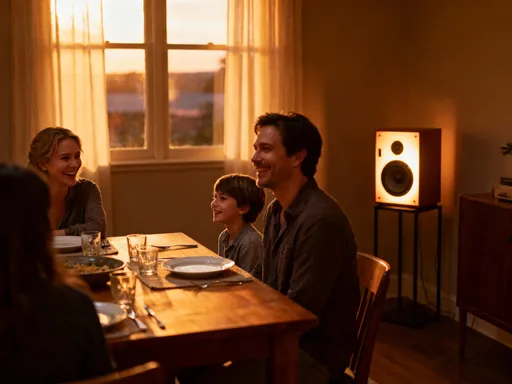
Intentionality became our new rule. We didn’t ban phones at dinner—we created a ritual. We’d place them face down in the center of the table, not as punishment, but as a symbol: We’re choosing each other right now. And when someone needed to check something, they’d say, “Can I just grab that real quick?” and we’d all nod. No shame. No secrecy. Just honesty and respect. That simple act built more trust than any rule ever could.
Building Our Family Digital Space: A Real-Life Experiment
Once we shifted our mindset, we started designing a digital rhythm that worked for us. We didn’t need a fancy app or a smart home system. What we built was simple: a shared digital space that felt like ours. Think of it like a digital living room—where we could gather, share, and connect, even when we were apart.
We started with a shared family calendar. Not just for appointments, but for everything that mattered. Soccer games, school plays, grocery runs, even “Mom’s Yoga Night” and “Dad’s Grill Fridays.” We color-coded it so everyone could see at a glance what was coming up. But here’s the magic: we also added little moments, like “Movie Night – Popcorn Required” or “Walk the Dog – All Hands On Deck.” Suddenly, the calendar wasn’t just a tool—it was a promise of time together.
Next, we created a shared photo album. No more lost pictures in someone’s phone. Every week, we’d add a few photos—our daughter’s art project, the sunset from our weekend hike, the silly face Dad made at breakfast. We didn’t curate or edit. We just captured real moments. And every Sunday night, we’d sit together and scroll through the week’s photos. It became a ritual—laughing, remembering, sometimes even getting a little teary. That album didn’t just hold pictures. It held our story.
Then came the playlist. Every Friday, we’d take turns adding songs to a shared family playlist. It started with eye rolls—“Mom, really? You’re adding that old song again?”—but soon, it became something we looked forward to. We’d play it on the way to school, during chores, even at dinner. And when a song came on that someone had chosen, we’d all smile. “This is Dad’s jam!” someone would say. Or “This was in my game last week!” It became our soundtrack—a shared language of joy.
These tools weren’t revolutionary. But used with purpose, they became bridges. They didn’t replace real connection—they made it easier to find. And the best part? They were consistent. Small, simple, repeatable. Not something we had to remember to do perfectly. Just something we did, week after week, and watched the closeness grow.
Turning Conflict into Connection: How Tech Became a Bridge
There was a time when my daughter would come running to me, eyes bright, saying, “Mom, watch this video!” and I’d say, “Not now, sweetie. Let me finish this.” And I’d see her face fall. That broke my heart. I wasn’t just saying no to a video—I was saying no to her excitement, her world.
So I changed my response. Instead of shutting her down, I said, “I’d love to see it! Let’s watch it together during our tech time.” And something shifted. She didn’t feel dismissed. She felt heard. And when we finally sat down to watch it—me laughing at a silly cat video, her explaining the joke I didn’t get—we weren’t just watching a screen. We were connecting.
That small change opened a door. We started co-watching videos—not just hers, but mine too. I’d show her a cooking tutorial I liked, and she’d teach me the latest dance trend. We began commenting on each other’s photos in our shared album. “Love this one, Mom!” or “Dad, why are you making that face?” We even started making silly memes together using a simple app—turning everyday moments into inside jokes.
Technology stopped being a barrier. It became a way to share our worlds. When she played a game, instead of saying, “Put that down,” I’d ask, “What’s fun about it?” And she’d explain the levels, the characters, the challenges. I didn’t always understand, but I listened. And in listening, I learned more about her than I ever had before.
Even disagreements became opportunities. When she wanted to spend more time on her tablet, instead of saying no, we’d talk about balance. “What else would you like to do today?” We’d plan a craft project, a bike ride, or a walk to the park—and then, if time allowed, she could have some screen time. It wasn’t about control. It was about collaboration. And that made all the difference.
The Hidden Pitfalls No One Talks About
Even with good intentions, we hit bumps. The first was notifications. They seemed harmless—just little pings—but they were constantly pulling us out of the moment. I’d be listening to my daughter tell a story, and my phone would buzz. I’d glance at it, just for a second, and I’d see her pause, waiting. That tiny interruption broke the flow of connection.
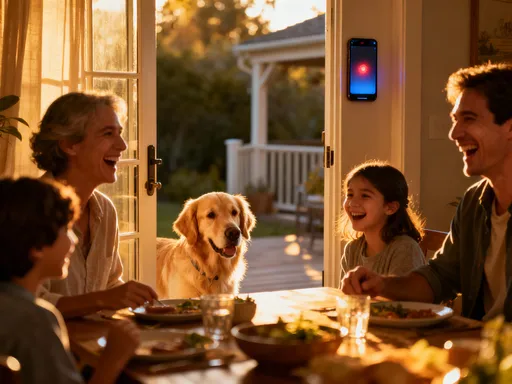
So we made a rule: during family time, notifications go off. Not just silenced—off. We turned off non-essential alerts and used “Do Not Disturb” mode during meals and rituals. It felt strange at first, like we were missing something. But soon, we realized we weren’t missing anything—we were finally present.
Another issue was comparison. One day, my daughter came home from school upset because a friend had shown her a video of a birthday party she wasn’t invited to. She didn’t say much, but I saw the hurt in her eyes. That’s when I realized: social media wasn’t just entertainment. It was creating pressure, envy, and feelings of exclusion.
We had an honest talk about that. I shared how I sometimes felt the same way seeing other families’ perfect vacations online. We talked about how what we see online isn’t the full picture. And we agreed to be more mindful about what we shared and consumed. We started focusing on our own joy, not someone else’s highlight reel.
Then there was the algorithm trap—the endless scroll that pulls you in without you even realizing it. We noticed how one video would lead to another, and suddenly an hour had passed. So we set boundaries. We used timers, not as punishment, but as helpers. “Let’s watch two videos, then it’s time for a walk.” Simple, clear, and kind.
These pitfalls weren’t obvious at first. But once we saw them, we could address them. Awareness didn’t eliminate challenges—but it gave us the power to choose differently.
Simple Tools, Real Results: What Actually Worked for Us
You don’t need the latest gadgets or a tech genius in the family. What worked for us were everyday tools, used with care. Let me walk you through them—not as a tech expert, but as a mom who wanted more connection.
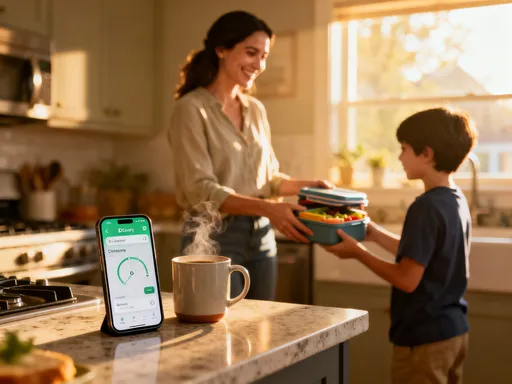
The shared calendar? It’s just Google Calendar, with colors for each person. We check it every morning during breakfast. “What’s on your day?” has become a natural part of our routine. It’s not about scheduling every minute—it’s about knowing we’re part of each other’s lives.
The photo album? We use Google Photos. We created a shared folder and set it to save automatically. Every Sunday, we spend 10 minutes adding new photos. No pressure to take perfect shots. Just real moments. And that weekly review? It’s become one of our favorite traditions. We’ve even started adding voice notes—“Remember when we saw that rainbow?”—so we can hear each other’s voices years from now.
The playlist? Spotify Family. We each have our own account, but we share one playlist. We add songs throughout the week, and every Friday, we play it loud during dinner. It’s become a celebration of our week. And when a song comes on that someone loves, we all sing along—even if we’re off-key.
We also started a voice note thread. Instead of texting, we send short voice messages when we’re apart. “Just saw the most beautiful flower—thought of you.” “Had a rough day, but your drawing made me smile.” Hearing each other’s voices, even for a few seconds, carries so much more warmth than text ever could.
And every Friday night, we have a slideshow. We pull up the shared album and play a 5-minute slideshow of the week’s photos, set to music from our playlist. No talking. Just watching. It’s quiet, peaceful, and somehow, deeply connecting. It reminds us of what mattered.
These aren’t grand gestures. They’re small, consistent practices. But over time, they’ve woven a stronger thread of connection through our days.
How Our Family Changed—And What You Can Gain Too
Three years ago, I felt like we were drifting. Screens were everywhere, but we were nowhere. Today, it’s different. We’re not perfect. We still have busy days, tired moments, and the occasional screen meltdown. But the foundation is stronger.
Dinners are conversations again. Not every night, but most. We laugh more. We listen more. We’re not just sharing a table—we’re sharing our lives. Even our digital exchanges feel warmer. A shared photo, a voice note, a song added to the playlist—it all carries meaning.
But the biggest change? We feel seen. My daughter knows I care about her world, even if it’s on a screen. My husband and I have found new ways to connect, even in the busiest weeks. And I feel more at peace, knowing we’re not just managing technology—we’re using it to love each other better.
You don’t have to do everything we did. Start small. Pick one thing—a shared album, a weekly check-in, a no-phone dinner. Try it. Adjust it. Make it yours. The goal isn’t perfection. It’s presence. It’s choosing, again and again, to show up for each other.
Technology didn’t fix our family. But it gave us tools to build something stronger. And if our story can inspire even one moment of connection in your home, then it’s worth sharing. Because at the end of the day, it’s not about the screens. It’s about the hearts behind them.