What If Your Photos Could Finally Feel Like Home?
Have you ever scrolled through thousands of photos, only to feel overwhelmed instead of nostalgic? You’re not alone. We’ve all snapped moments meant to be cherished, only to lose them in digital chaos. But what if organizing your photos didn’t feel like a chore—what if it actually brought you comfort, clarity, and even joy? In this article, I’ll share how using photo organization apps quietly transformed not just my gallery, but my peace of mind. It wasn’t about mastering technology. It was about reclaiming my memories, one tap at a time.
The Hidden Weight of Digital Memories
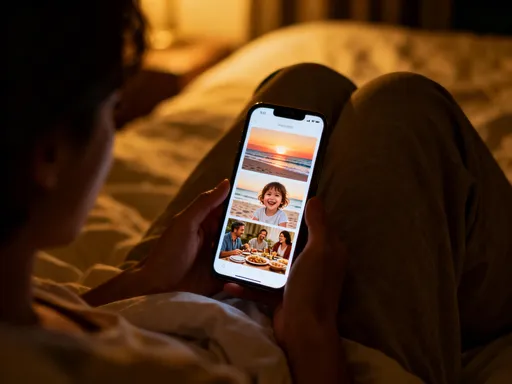
It started on a quiet Tuesday night. I was lying in bed, wrapped in my favorite blanket, trying to find that one photo from last summer’s beach trip—the one where my daughter built her first sandcastle, her face glowing with pride. I remembered the sun, the laughter, the way the waves kept threatening to wash it away. But after ten minutes of swiping, searching, and opening album after album, I gave up. Frustrated, I put my phone down and stared at the ceiling. That moment—so full of love and joy—had vanished into the digital void.
And it wasn’t just that photo. My phone was full of them: birthday candles, school plays, weekend hikes, holiday dinners. Hundreds, maybe thousands, of moments I’d captured with intention, only to never see them again. I wasn’t alone. A recent survey found that the average person has over 3,000 photos stored on their phone—many of them duplicates, blurry shots, or forgotten treasures buried under layers of clutter. We take more photos than ever, yet we remember less. That’s the paradox of modern memory: we’re drowning in images, but starving for meaning.
What surprised me most wasn’t the frustration—it was the guilt. I felt guilty for not organizing them, guilty for letting those precious moments sit in digital limbo. Every time I opened my gallery, it felt like walking into a room with every drawer open, clothes on the floor, and papers scattered everywhere. That clutter didn’t just live on my phone. It lived in my mind. Research shows that digital disorganization can increase stress and reduce mental clarity, just like physical mess. I didn’t realize it at the time, but my chaotic photo gallery was quietly draining my energy. I wasn’t just losing photos. I was losing peace.
Finding Calm in the Chaos: My First Step
I finally decided to do something about it—after months of putting it off. I told myself, 'This weekend, I’ll clean up my photos.' But the thought of sorting through years of snapshots felt overwhelming. Where would I even start? Then a friend mentioned a simple photo organization app she’d started using. 'It’s not perfect,' she said, 'but it helps me find things again.' That was enough. I downloaded it one Sunday morning, coffee in hand, expecting another tedious tech task.
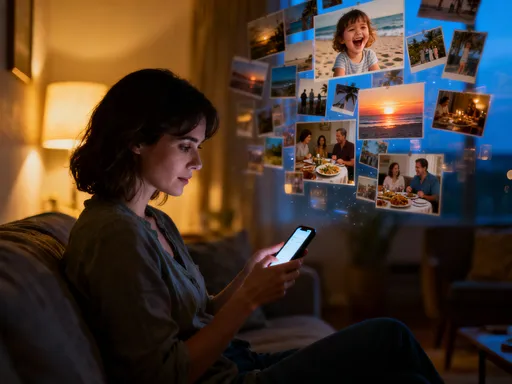
What happened instead surprised me. Within minutes, the app began organizing my photos automatically—by date, by location, even by event. I watched as my messy gallery transformed into clean, labeled albums. A folder appeared: 'Summer 2022, Cape Cod.' Another: 'Birthday Party – Emma, Age 6.' I didn’t have to do much. The app recognized patterns I hadn’t even noticed. And suddenly, those lost memories weren’t lost anymore. There was the sandcastle photo—right there, clear and bright, just like I remembered.
I didn’t finish everything that day. I didn’t need to. Just seeing the beginning of order brought a wave of relief. It was like someone had turned on a light in a dark room. For the first time in years, my photo gallery didn’t feel like a burden. It felt like a place I could return to. That small step—downloading an app, giving it a try—didn’t just organize my photos. It gave me back a sense of control. And that, I realized, was the first step toward healing the hidden weight I’d been carrying.
How Technology Became My Memory Keeper
At first, I thought of the app as just a tool—a digital filing cabinet. But over time, I began to see it differently. It wasn’t cold or mechanical. It was more like a quiet companion, gently helping me remember. One evening, I was talking with my sister about our mom’s 70th birthday. 'Remember that moment when she blew out the candles and everyone sang?' I asked. 'I wish I could show you that photo.' Then I remembered the app. I typed 'Mom birthday' into the search bar. Instantly, a grid of images appeared—her smiling, arms raised, surrounded by family. There it was. The exact moment.
That’s when it hit me: this wasn’t just about storage. It was about access to feeling. The app’s smart features—facial recognition, location tagging, keyword search—weren’t just technical tricks. They were bridges back to emotion. Typing 'beach' brought up every seaside memory. 'Christmas morning' showed pajama-clad kids tearing into presents. 'Dad’s garden' pulled up quiet moments of him pruning roses, sunlight on his hands. These weren’t random files. They were fragments of a life, now easy to find, easy to feel.
I started using it during quiet moments—waiting for dinner to cook, during my morning coffee. Instead of scrolling mindlessly, I’d search for a memory. Sometimes I’d just look at a single photo and let myself feel it: the warmth of that summer day, the sound of my son’s laugh, the way the light fell through the trees on our favorite hike. The technology didn’t replace the memory. It invited me back into it. And in doing so, it helped me slow down, reconnect, and appreciate the life I’ve lived. That’s the magic of good tech—not when it dazzles us, but when it disappears, quietly making space for what matters.
The Ritual That Changed Everything
About six weeks in, something shifted. Organizing photos stopped feeling like a chore and started feeling like a ritual. Every Sunday morning, after the kids left for their activities, I’d sit with my tablet and spend ten minutes with my gallery. No pressure. No deadline. Just me, my memories, and a few simple actions: deleting duplicates, renaming albums, saving a few favorites to a 'Joy' collection.
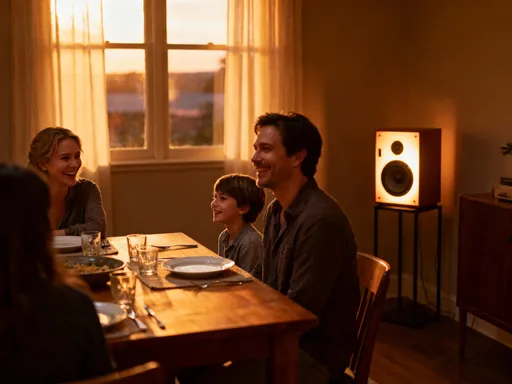
It became my weekly pause—a digital version of folding laundry or watering plants. But unlike those tasks, this one didn’t feel like maintenance. It felt like reflection. In those ten minutes, I wasn’t just cleaning up my phone. I was checking in with my life. I’d see a photo from a tough week and remember how I got through it. I’d see my daughter’s growth over the months and feel pride. I’d come across a shot of my husband making pancakes and smile at the mess he always leaves on the stove.
This small habit brought unexpected mindfulness. Instead of rushing forward, I was learning to look back—with kindness, with curiosity, with gratitude. And the more I did it, the more I noticed: my relationship with time was changing. I wasn’t just documenting life. I was living it more fully, because I was paying attention. That’s the power of intention. When we treat our memories with care, we send a message to ourselves: this life matters. And when we create space to revisit it, even briefly, we deepen our connection to who we are and who we love.
From Overwhelm to Confidence: A Lighter Digital Life
One of the most surprising benefits was how much lighter my phone felt—not just in my hand, but in my heart. With fewer scattered, duplicated photos, my device ran faster. Storage warnings disappeared. But more than that, I felt less anxious. I wasn’t constantly worried about losing something important or running out of space before a big event. I could take photos freely, knowing they’d be safe and findable.
But the real shift was emotional. I used to hide my phone gallery. If a friend asked to see a photo, I’d panic. 'Let me find it,' I’d say, then fumble through folders, embarrassed by the mess. Now, I hand my phone over without hesitation. 'Try searching “pumpkin patch”,' I’ll say, smiling. Watching someone else find a memory I’ve organized feels like sharing a piece of my heart. And their joy—'Oh my gosh, look at her hat!'—becomes mine all over again.
This small confidence has rippled into other areas of my life. I’m more open, more present in conversations. I’ve started sharing albums with friends after gatherings, instead of letting the photos disappear into the digital void. And those shared moments have sparked new ones—reminiscing over coffee, planning the next outing. Order didn’t just clean up my phone. It opened up my relationships. It reminded me that memories aren’t meant to be hoarded. They’re meant to be shared, celebrated, and lived through again. And when they’re easy to find, they’re easy to give.
Building a Legacy, One Album at a Time
What began as a personal project slowly grew into something deeper. I started creating shared albums—not just for events, but for people. I made one for my mom called 'Mom’s Kitchen,' filled with photos of her cooking, her hands kneading dough, her smile as she tasted a new recipe. I added voice notes: 'Remember when you taught me to make apple pie?' She cried when she saw it. 'I didn’t know you kept these,' she said. 'They’re so special.'
That moment changed everything for me. I realized I wasn’t just organizing photos. I was preserving stories. I was honoring relationships. I was creating something that could last beyond today. My kids may not remember every birthday, but they’ll have the album. They’ll see the decorations, the cake, the way their grandparents hugged them. They’ll feel the love, even years from now.
I’ve started thinking of these albums as gifts—not just to my family, but to my future self. A few weeks ago, I created a private album called 'Moments I’m Proud Of.' It has photos of me finishing a 5K, speaking at a school event, laughing with my sisters. It’s not about perfection. It’s about presence. It’s a reminder that I showed up, I tried, I lived. And when I’m older, I hope to pass these albums down—digitally or printed—so the next generation knows who we were, not just in pictures, but in spirit. That’s the legacy we can build, one organized album at a time.
Your Photos Deserve More Than a Dumping Ground
So, what if your photos could finally feel like home? Not a storage unit, not a dumping ground, but a warm, welcoming space where memories live and breathe. That’s what’s possible when we use technology not to impress, but to connect. Not to collect, but to cherish.
This isn’t about being tech-savvy. It’s about being kind to yourself. It’s about recognizing that your memories are worth the effort. You don’t need to spend hours. You don’t need to be perfect. Just start small. Pick one moment. Find one photo. Save it to an album. Let that be your beginning.
Because here’s the truth: your photos are more than data. They’re proof that you lived, loved, and laughed. They’re the soundtrack of your days, the color in your years. And when they’re organized with care, they become a place you love to return to—a digital hearth, warm and steady, where you can always find your way back to what matters.
So go ahead. Open your gallery. Take a breath. And let your photos become the home they were always meant to be.