Tested 3 Family Safety Apps During Dinner: Here’s What Helped Us Adapt Faster
Have you ever tried talking about safety with your family—only to be met with silence or eye rolls? I did. Then I started using simple tech tools during our nightly dinners. What changed wasn’t just the conversation—it was how quickly we adapted to real-life surprises, from storms to schedule changes. This is not about fear. It’s about feeling prepared, together. And it started with just one app—and one meal.
The Dinner Table That Turned Into Our Safety Hub
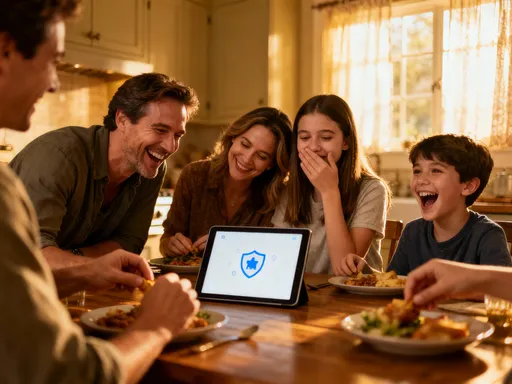
It wasn’t planned. One evening, after a sudden power outage left us fumbling in the dark, my family finally had a real talk about what we’d do in an emergency. We had flashlights, sure, but no plan—no shared contacts, no meeting spot, nothing. My youngest asked, 'Who calls who if Mom can’t answer?' That question stayed with me. The next week, I brought up a family safety app during dinner—not as a lecture, not as a drill, but as something I’d found that looked helpful. I opened it on the tablet, showed them how it mapped where we all were, and added my sister as a backup contact. To my surprise, my teenager leaned in. 'Can I put my friend Maya on there too?' she asked. That small moment changed everything.
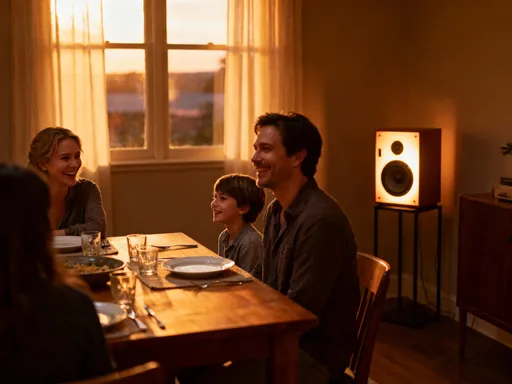
From that night on, the dinner table wasn’t just for eating. It became our touchpoint—a place where we checked in, updated information, and learned how to support each other when life threw curveballs. We didn’t set rules or schedules. We just started sharing. Sometimes it was about adding a new school address. Other times, it was testing how quickly an alert would reach Dad when he was late from work. The more we used the app casually, the more natural it felt. And the more natural it felt, the more my family trusted it—and each other. Safety stopped being a scary topic and became part of our daily rhythm, like passing the salt or asking about someone’s day.
Why Family Safety Planning Feels Heavy (And How to Lighten It)
Let’s be honest—most of us avoid talking about emergencies because it feels heavy. It brings up images of disasters, panic, and worst-case scenarios. I used to think preparing meant making binders with emergency numbers and escape routes. But life doesn’t happen in binders. It happens in moments—when your child’s school calls, when your flight is delayed, when your neighbor texts that the street is flooding. That’s when you need answers fast, not paperwork. So why do we make safety planning feel like homework?
The truth is, we associate safety with fear, not peace. But what if it felt more like sharing a family playlist than filling out a form? What if checking in wasn’t about danger, but about care? That mindset shift changed everything for us. Instead of asking, 'What if something terrible happens?' we started asking, 'How can we make sure everyone feels supported, no matter what?' That’s when tech became our ally. Instead of dreading the conversation, we looked forward to it. A simple notification—'Your family member updated their safe location'—felt like a quiet 'I’m thinking of you.' We stopped seeing apps as emergency tools and started seeing them as connection tools. And that made all the difference.
Choosing the Right Tool: Simplicity Wins at the Table
Not all apps are made for real life. I tested three popular family safety apps, and only one truly worked for us. The first was packed with features—alerts for geofence exits, live tracking, weather warnings. But it sent so many notifications that we all turned them off within two days. My son called it 'the nagging robot.' The second app was secure and well-reviewed, but it took seven steps to update a contact. My mom tried once and said, 'I’ll just call you if I’m lost.' Neither fit into our lives.
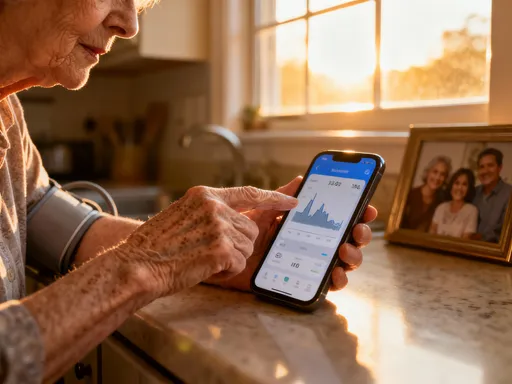
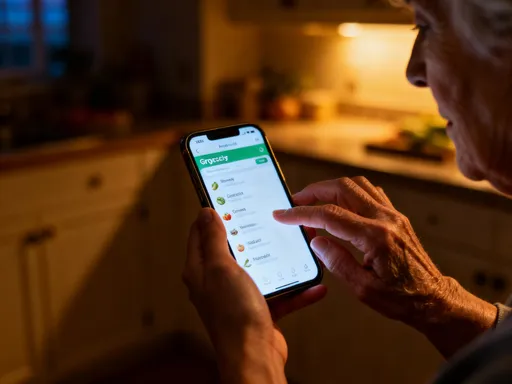
The third app was different. It was clean, visual, and built for ease. We could add a photo to a contact with one tap. We could drop a pin on a map to mark where soccer practice was. We could leave a voice note saying, 'I’m at Grandma’s, come pick me up when you can.' No menus, no passwords, no confusion. The real test came when my 72-year-old mother used it without asking for help. She added her new pharmacy, set her home location, and sent a check-in—all during dinner, without me guiding her. That’s when I knew we’d found the right one. The best tech doesn’t demand attention. It quietly supports you, like a good kitchen knife or a favorite sweater. It just works.
Turning Routine Meals Into Mini Planning Sessions
We didn’t need big meetings or scheduled drills. We just used the few quiet minutes after dessert. 'Hey, can we check the app real quick?' I’d say, not as a demand, but as a gentle invitation. Sometimes it was just updating a location. Other times, it was adding a new contact—my sister’s new number, my son’s tutor’s address. These tiny moments added up. What started as my idea became a shared habit. One night, my daughter opened the app before I even mentioned it. 'I added the library,' she said. 'That’s where I’ll be on Saturday.' My heart nearly burst.
These mini sessions weren’t about control. They were about care. They sent a quiet message: 'You matter. We’re paying attention.' And because we did it over meals—when we were relaxed, full, and connected—the conversation never felt forced. There were no eye rolls, no sighs. Just natural check-ins, like asking if someone wants more rice. Over time, my kids began initiating updates themselves. My son changed his after-school location when he switched clubs. My daughter sent a check-in from her friend’s house without being asked. That’s when I realized: the app wasn’t teaching them responsibility. Our routine was. And the app was just the tool that made it visible.
Adapting Together: When Life Changes, Your Plan Should Too
Life moves fast. People change jobs, kids switch schools, parents downsize homes. A safety plan that doesn’t change with life becomes useless. That’s why the best plans aren’t static—they’re living, breathing parts of your family’s story. When my dad moved to a smaller town, we didn’t wait. We updated his profile during dinner. We added his new address, pinned his doctor’s office, and uploaded a photo of his new front door. 'So you’ll recognize it,' my son said. That small act did more than update data—it showed my dad we were with him, even from miles away.
When my daughter started dance classes across town, we added the studio to her safe locations. When my husband began traveling more for work, we set up travel mode so we could see his flight status and hotel. Each update was a moment of connection. It wasn’t just about safety—it was about saying, 'We see your changes. We’re keeping up.' And that built trust. My teenage son, who once hated talking about feelings, started sharing more. 'If I’m ever scared,' he said one night, 'I know I can just hit the check-in button and you’ll know something’s wrong.' That’s the power of a living plan—it grows with you, and it holds space for both practical needs and emotional ones.
Building Emotional Safety Alongside Practical Prep
The biggest surprise wasn’t how prepared we felt during emergencies. It was how much closer we became. Knowing we could find each other, reach each other, support each other—no matter what—brought a deep sense of calm. But even more than that, the daily check-ins built emotional resilience. My kids knew they were seen. They knew we cared enough to track their world, not to control it, but to be part of it.
One rainy Tuesday, my son didn’t come home on time. In the past, I would’ve panicked. But this time, I opened the app. He was at a classmate’s house, and he’d updated his location. A voice note played: 'Mom, I’m staying late to study. Can you pick me up at 6?' No missed calls. No worry. Just clarity. That moment showed me the real value: peace of mind. But even more than that, it opened the door to conversation. My son started telling me about his stress, his friendships, his fears—things he’d never shared before. 'I know you’ll notice if I’m off,' he said. 'So I don’t have to pretend.' That’s when I realized: tech didn’t replace emotional connection. It invited it in. It gave us a safe, low-pressure way to say, 'I’m here. I care.'
Making It Last: From Experiment to Everyday Norm
Six months in, we don’t talk about the app much anymore. Because we don’t have to. It’s just part of how we live. The tablet sits at the table every night, open to the family dashboard. Someone usually checks it while the meal wraps up. A photo gets updated. A location is changed. A voice note is left. It’s so normal now that I almost forget how hard it was to start.
And when real life tests us—like when my flight was delayed last month, or when my daughter missed her bus—we respond with calm, not chaos. We check the app. We send a message. We adjust. No yelling. No blame. Just teamwork. That’s the magic of practicing together, in small ways, every day. It’s not about surviving a crisis. It’s about building a family culture where everyone feels seen, supported, and safe. And it all grew from something as simple as dinner and a shared screen.
Family safety doesn’t need drama. It grows in ordinary moments—like dinner—with tools that help us stay close, adapt fast, and breathe easier. This isn’t about surviving crises. It’s about living with more trust, every single day.